
A Ritual With Global Roots
Long before sports became the global spectacle they are today, the coin toss evolved into a way to begin competition on neutral ground. Each sport adapts the gesture to its own traditions, yet the underlying purpose remains the same: create a fair starting point. The way captains gather, how referees present the coin, and the atmosphere surrounding the flip all carry the cultural fingerprints of the sport and country.
Many teams treat the toss as more than a procedural step. It builds a moment of tension and focus, offering a final bit of calm before the pace of the game accelerates.
Cricket: The Toss That Can Shape an Entire Match
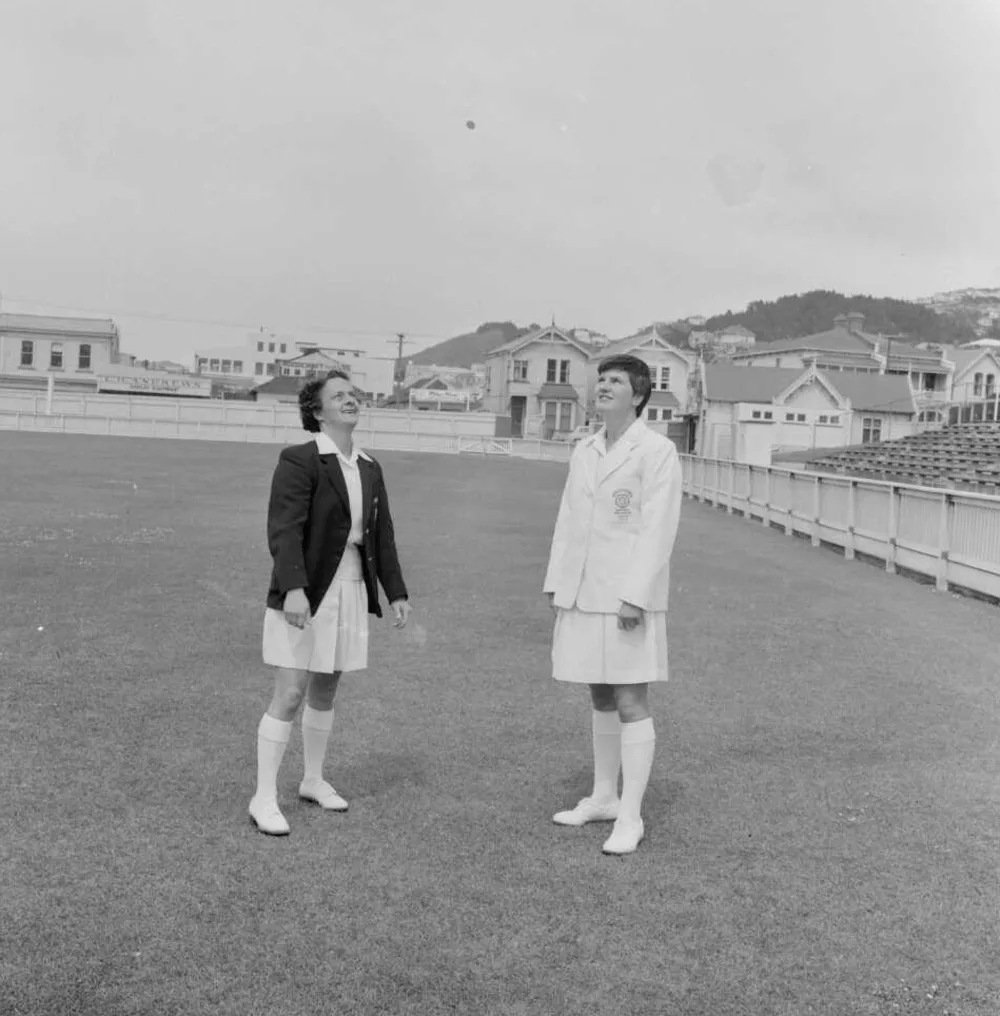
Cricket treats the coin toss with a seriousness unmatched by most sports. Captains analyze pitch moisture, wear patterns, and weather forecasts to make decisions that may influence four or five days of Test cricket. For limited-overs formats, considerations shift toward dew formation or afternoon heat. Commentators regularly discuss the possible outcomes before the toss even happens, making the moment feel like part of the broadcast’s narrative arc.
Winning the toss doesn’t guarantee victory, but in conditions that shift dramatically over time, it can tilt the balance toward one team before a ball is bowled.
Football (Soccer): Direction, Possession, and Atmosphere
Across Europe, South America, and Asia, the soccer coin toss determines possession and direction. In stadiums affected by unpredictable coastal winds, intense stadium lighting, or late-afternoon glare, the directional choice can influence the pace of early attacks. The ceremony also includes customary displays of sportsmanship—handshakes, exchanged pennants, and acknowledgments of officials—varying widely among countries and leagues.
American Football: Ceremony, Spectacle, and Strategy
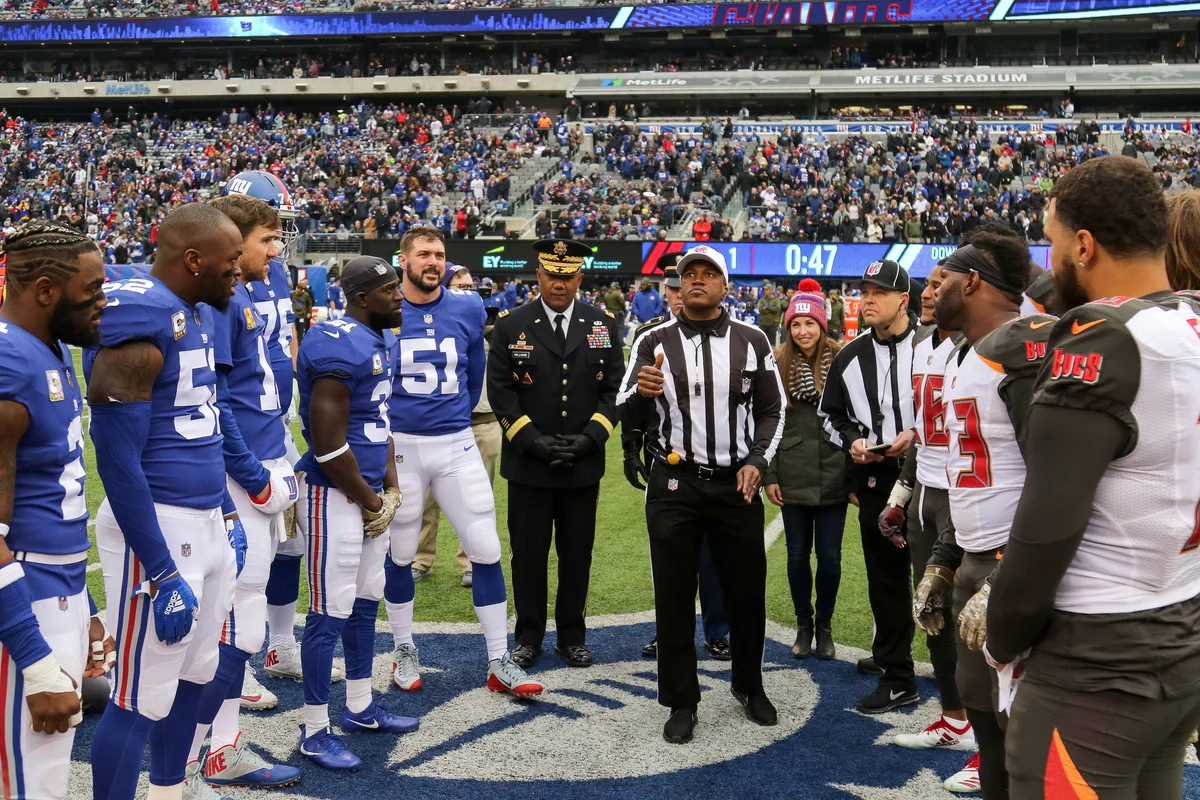
In the United States, the coin toss is a televised moment rich with ritual. Captains step into a small circle of referees, cameras move in close, and the crowd often reacts as if the flip were a play itself. Beyond the ceremony lies strategy: teams choose between receiving the opening kickoff or deferring to the second half. Analytics increasingly guide these decisions, making the toss a symbolic moment with practical implications.
Rugby: A Blend of Respect and Precision
Rugby emphasizes respect between captains and referees, and the toss reflects that value. The atmosphere before kickoff is calm and deliberate, particularly in nations such as New Zealand or Wales. While the toss primarily determines direction, that choice matters in stadiums where swirling winds or uneven grass conditions can influence tactical execution.
Baseball: A Quiet Tradition Behind the Scenes
Professional baseball rarely uses a coin toss because home teams automatically bat last. Yet in youth leagues, amateur competitions, and community tournaments around the world, a simple flip still determines home and away roles. Although it lacks spectacle, it preserves the essence of fairness at the heart of the sport.
Australian Rules Football: Unique Conditions, Unique Tosses
Australia’s large oval stadiums introduce wind patterns, uneven shade, and unique field geometry. The captain winning the toss chooses which direction to attack, and the decision can influence scoring rhythm in the early stages. Fans watch closely, knowing certain stadiums are notorious for favoring one end over the other.
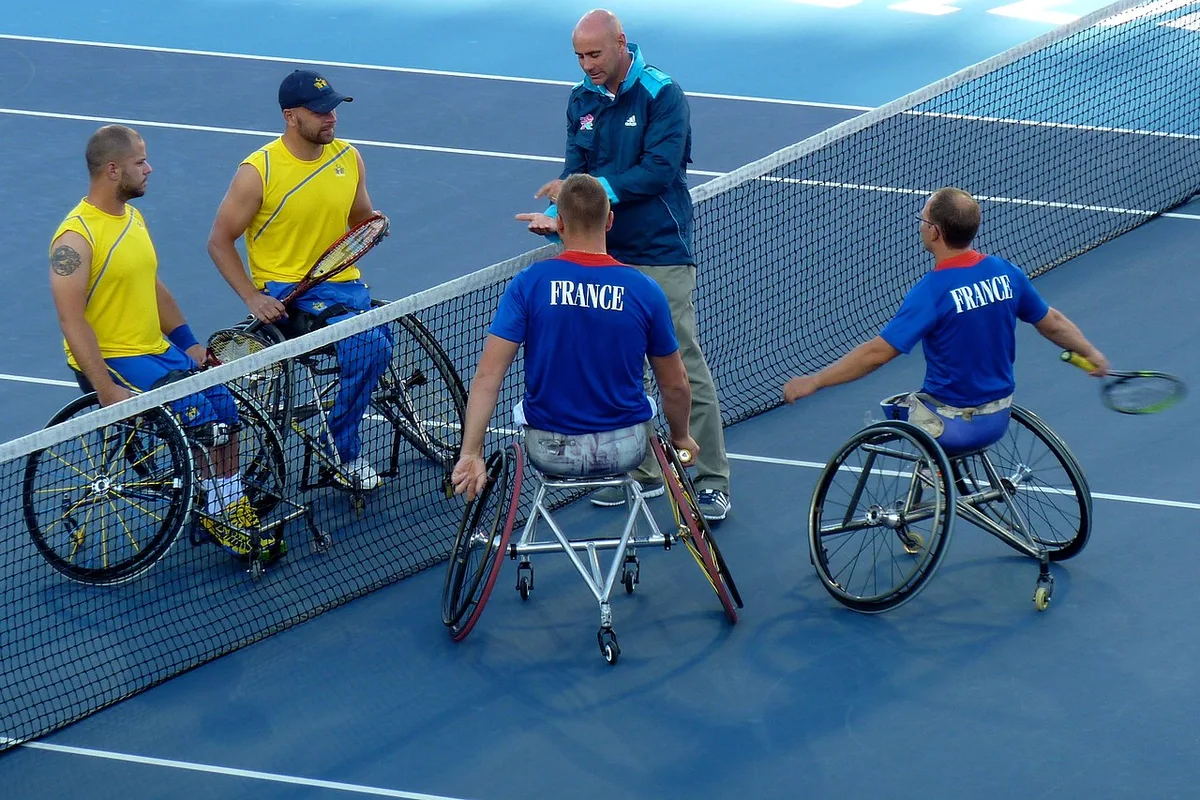
Photo by ITU Pictures (CC BY 2.0) via Wikimedia Commons
Distinctive Variations Across Countries
Some nations and leagues add small cultural touches to the coin toss that reveal how deeply the tradition has embedded itself into local sporting identity. These variations can be modest gestures or unique traditions, yet each reflects the way communities personalize the universal ritual. A few notable examples include:
| Country / Region | Unique Coin Toss Tradition |
|---|---|
| Japan | Captains bow before and after the toss as a sign of mutual respect |
| South America | Referees sometimes use commemorative coins during major tournaments |
| Europe | Certain leagues exchange small tokens or wristbands during the pre-toss greeting |
| Oceania | Some local competitions involve brief spoken blessings or acknowledgments to the crowd |
These small differences don’t change the mechanics of the flip, but they give the ritual personality—turning a universal act of fairness into something distinctly shaped by the culture surrounding it.
Shared Meaning in a Global Tradition
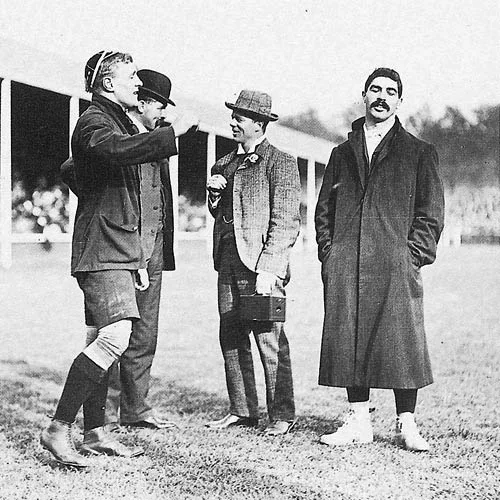
What becomes clear when comparing countries and sports is how universally the coin toss blends neutrality with ceremony. It marks the transition from preparation to competition, offering a calm pause before intensity returns. Some tosses influence tactics, others simply mark the start, but all carry the same symbolic idea: a fair beginning.
The enduring appeal of the coin toss comes from this balance between simplicity and meaning. Across stadiums, continents, and generations, that one small spin continues to represent the world’s shared respect for fair play.