
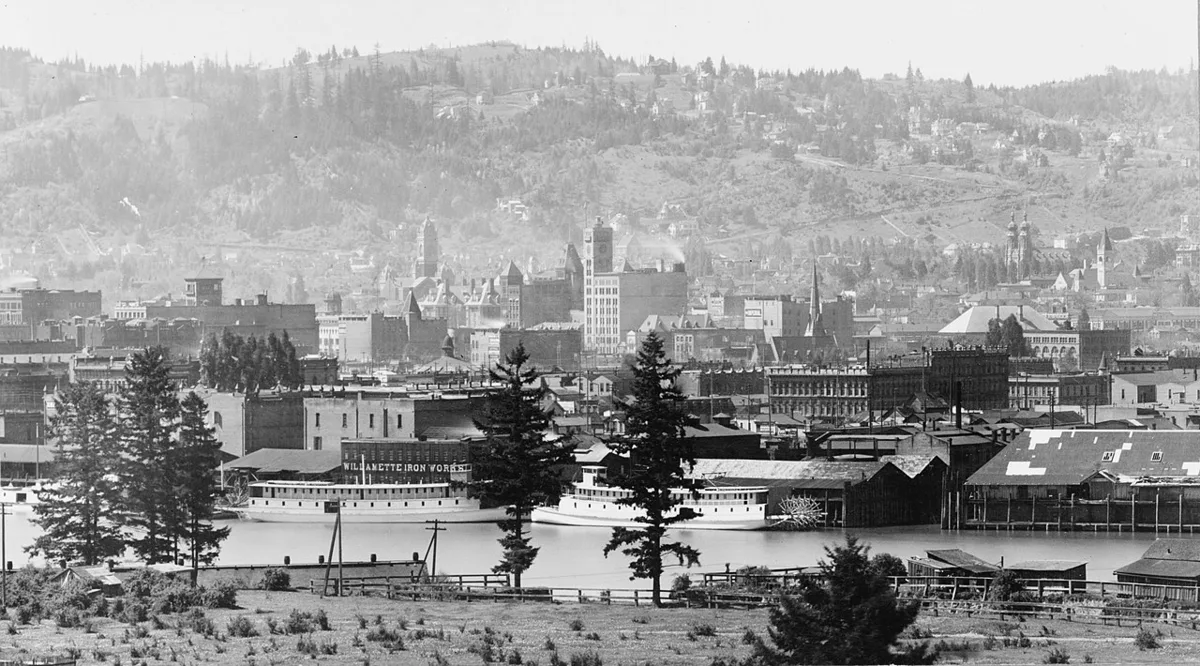
A Naming Rights Battle That Shaped a City
In the mid-1800s, two American pioneers—Asa Lovejoy and Francis Pettygrove—argued passionately over what to call their new settlement in the Pacific Northwest. Lovejoy wanted to name it Boston, honoring his East Coast roots, while Pettygrove fought for Portland, reflecting his Maine heritage. The disagreement escalated until the men agreed to resolve it by flipping a coin.
Pettygrove won two out of three tosses. His victory gave the world the city of Portland, Oregon. The copper coin they used—later known as the “Portland Penny”—is now preserved in a historical museum. It remains one of the most important coin tosses in American urban history.
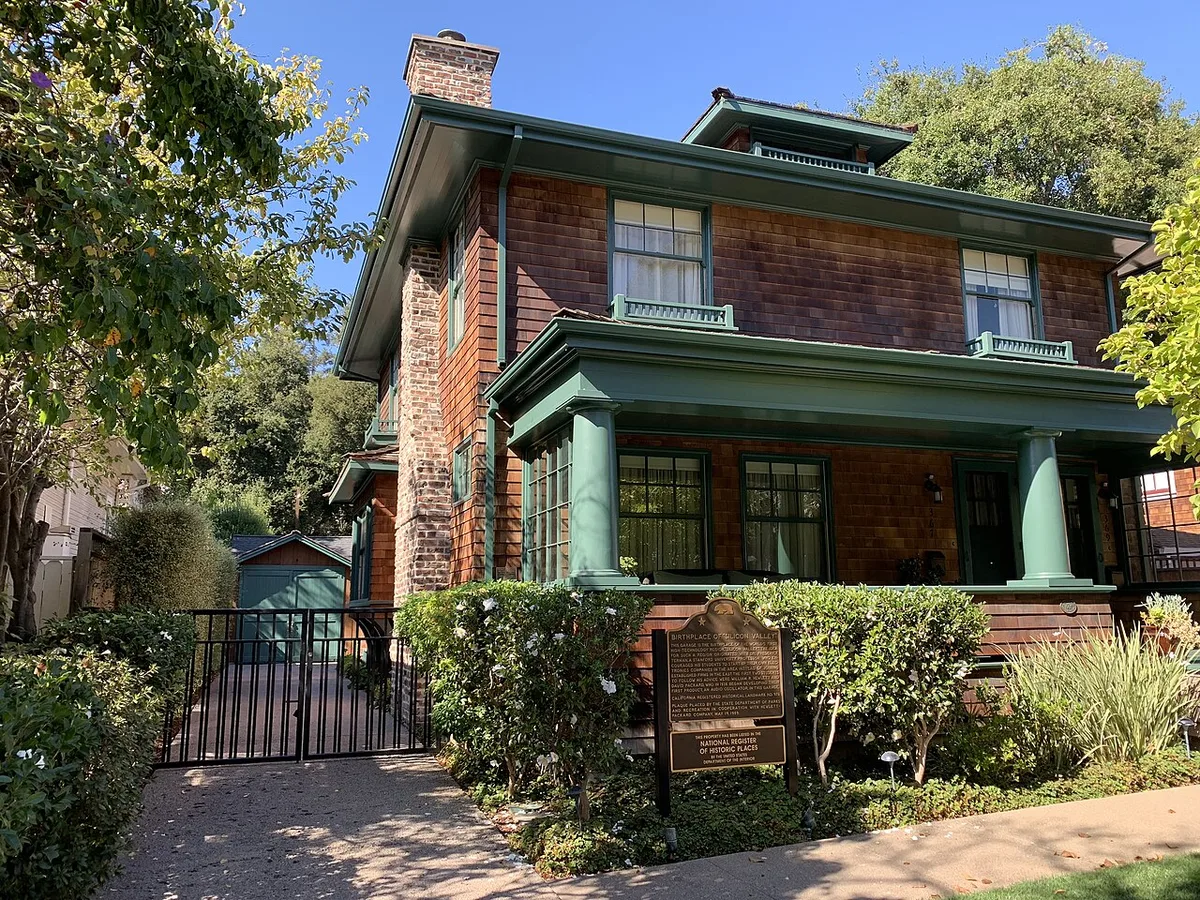
The Flip in a Garage That Helped Name a Tech Giant
Long before Silicon Valley became the epicenter of innovation, two young engineers, Bill Hewlett and Dave Packard, were starting a small electronics partnership in a rented Palo Alto garage. They couldn’t decide whether the company should be called Hewlett-Packard or Packard-Hewlett, so they did something simple: they flipped a coin.
The flip favored Hewlett, and the order became official. Today, the name Hewlett-Packard—or HP—is instantly recognizable worldwide. That one moment of chance determined the branding for a company that would go on to define generations of computing.
An Early NFL Turning Point Decided Before the Season Even Started
Sports history is full of unexpected twists, but few are as subtle as a coin toss that influenced the early NFL. In 1939, the Pittsburgh Steelers and the Chicago Bears were vying for the first pick of the NFL Draft. Instead of using standings or a performance-based system, the decision came down to a simple flip.
The Bears won and selected quarterback Sid Luckman, who would help define Chicago’s offensive legacy. Many sports historians still debate how different the league might look today if the toss had gone the other way. It’s a striking example of how a franchise’s trajectory can hinge on a moment lasting less than a second.
A Senate Seat Awarded by Chance
Politics tries to avoid randomness, yet ties occasionally force its hand. In 2006, a state senate election in Alaska ended in a perfect mathematical tie after all votes—including absentee and provisional ballots—were verified. State law dictated a simple tiebreaker: a coin toss.
Kim Elton won the flip and thus secured the senate seat. While the district was small, the story illustrates a surprising truth about democratic processes: at the end of a long, complex electoral journey, even a high-stakes political outcome can ultimately rest on pure probability.
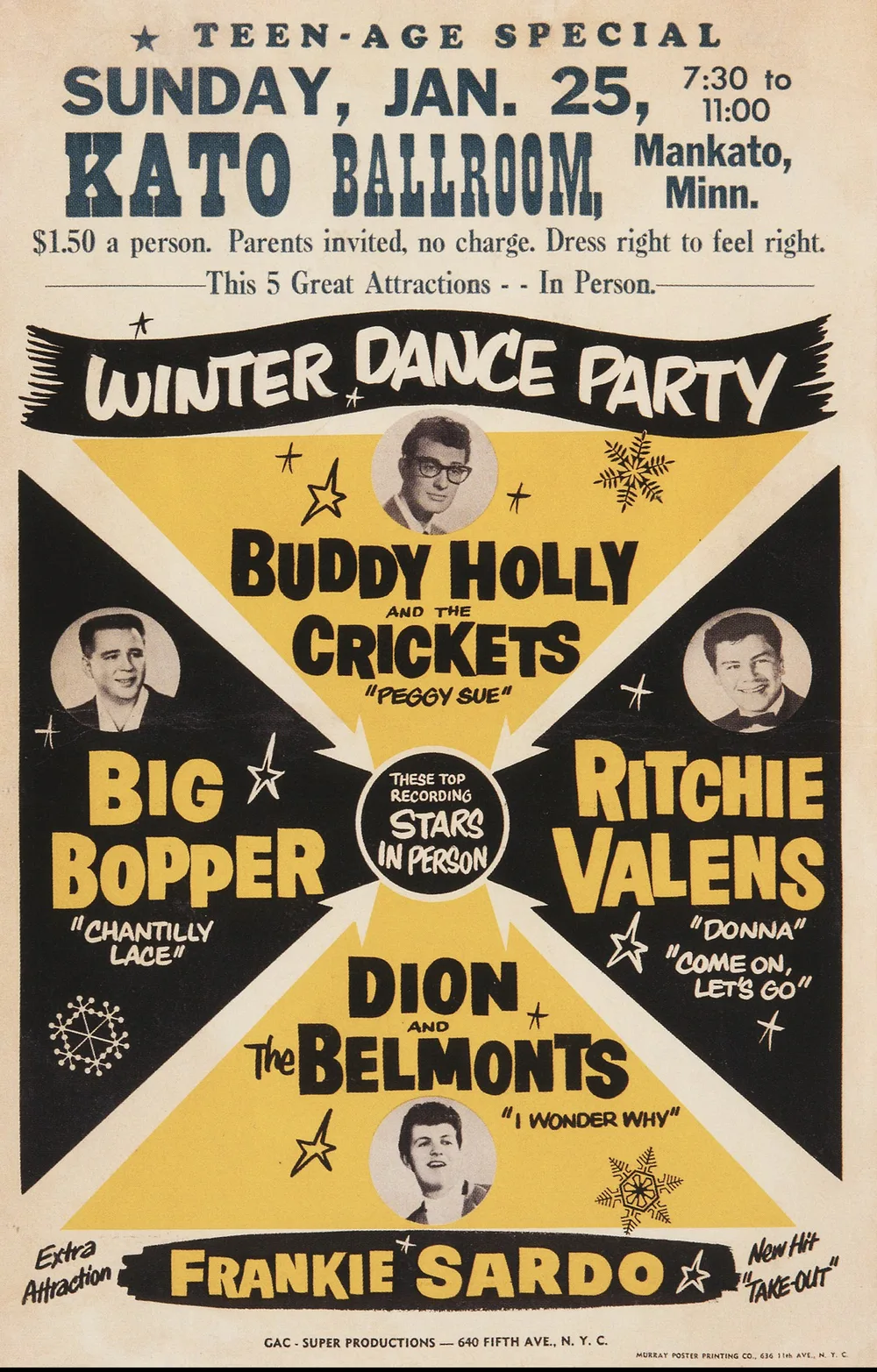
A Life Saved by Losing a Toss
One of history’s most haunting coin toss moments occurred during the 1959 Winter Dance Party tour. After a freezing bus breakdown, musicians Buddy Holly, Ritchie Valens, and J.P. “The Big Bopper” Richardson chartered a small plane. Guitarist Tommy Allsup wanted a spot too, but the last remaining seat came down to a coin toss between him and Valens.
Valens called heads and won. Allsup stepped aside, and the plane took off—only to crash shortly afterward, killing everyone onboard. Allsup lived because he lost the flip. The randomness of that moment continues to echo in music history as one of the most chilling examples of chance altering fate.
How a Poker Legend Claimed an Early Title
Johnny Moss, one of poker’s most legendary early competitors, once had a championship decided not by cards, skill, or strategy, but by a coin toss. In the days before the World Series of Poker developed structured tournament formats, disputes sometimes arose about how to declare a winner. On one occasion, uncertainty among players led to a final coin flip between Moss and another top contender.
Moss won and was granted the title. For a game built entirely on calculated probability, the idea of crowning a champion through pure chance remains one of the most unusual stories in gambling lore.
Why These Moments Are So Captivating
What makes these stories so memorable isn’t simply the element of luck—it’s the magnitude of what followed. A flip decided:
- the name of a major American city
- the branding of a global tech giant
- the draft decision that shaped an NFL dynasty
- the winner of an election
- the survival of a musician
- and the champion in a game built on skill
Each event reminds us that randomness sometimes influences life more than careful planning. People flip coins to avoid conflict, settle debates, or break ties because the result is impartial and final. That simplicity is part of the appeal: the coin doesn’t negotiate, hesitate, or rethink. It decides.
The Quiet Power of Randomness in Human Events
Looking back across these famous moments, it becomes clear how often chance has stepped quietly into the spotlight. A coin toss is usually forgotten within seconds, yet some have left imprints that stretch across cities, industries, sports leagues, and personal lives. It’s a reminder that history isn’t shaped only by strategy or intention. Sometimes, a small spinning circle of metal has the final say.