
When “Chance” Was a Message From the Gods
Human fascination with randomness stretches back long before coins existed. Early civilizations believed that unpredictable events carried meaning. Tossing a carved bone or dropping a shell wasn’t entertainment—it was a form of communication with unseen powers. A shell landing open could be a sign of opportunity, while a closed landing might signal caution. These rituals blended spirituality with a human desire to understand the unknown.
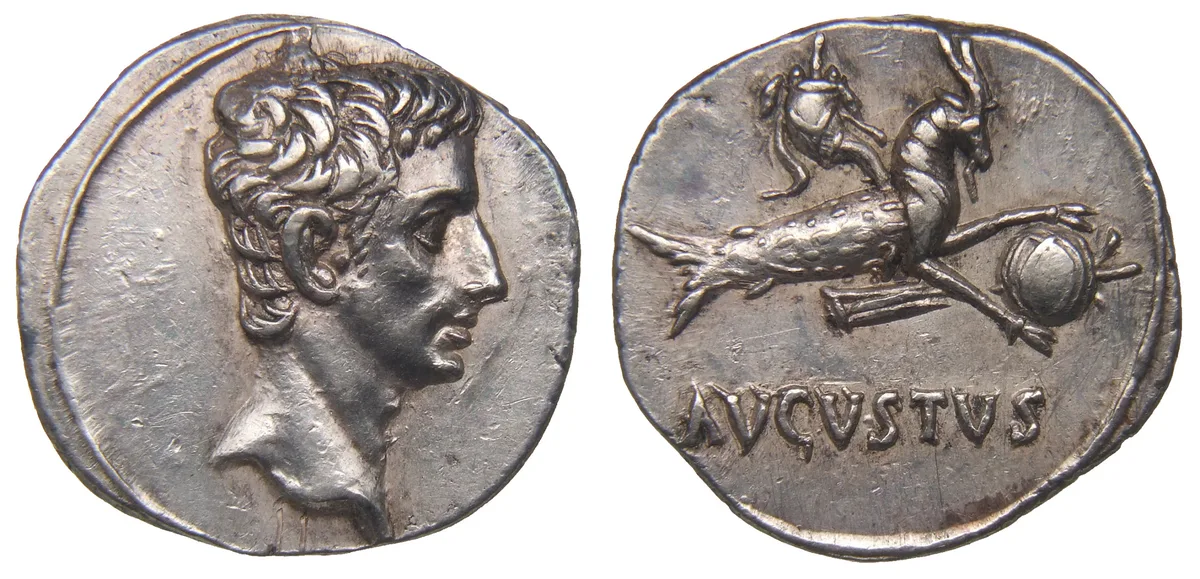
The Romans later gave structure to this idea through a game called navia aut caput, meaning “ship or head.” Using early coins marked with an emperor’s head on one side and a ship on the other, they flipped these pieces not only for games but also to settle disputes and determine outcomes in minor legal matters. Many Romans believed chance was guided by divine influence, which gave each flip an unexpected authority.
The Middle Ages: When Fairness Needed a Neutral Judge
During the medieval period, the mystical meaning behind the coin toss began fading, even though it never disappeared entirely. Communities started using the coin flip as a tool for fairness. Laws were inconsistent, and local judges weren’t always impartial, so a coin became a neutral judge when logic or custom couldn’t resolve a dispute. It was a way to ensure no one could claim favoritism.
Historical accounts describe land disagreements, business conflicts, and even simple community decisions being settled by a flip. It provided closure when debates dragged on, giving both sides a result they could trust—even if they didn’t like it.
Chance in the Age of Elections
As democratic systems expanded in the 17th and 18th centuries, tied votes created awkward legal situations. Rather than repeat an entire election, some regions used a coin toss to resolve ties. This method stood out for a few practical reasons:
- It prevented accusations of political manipulation
- It delivered an immediate and decisive result
- It was simple enough that no one could dispute the process
Surprisingly, this tradition persists today. In several countries, local election laws still require a random method (often a coin toss) to decide winners when votes end in a perfect tie. Every few years, a headline emerges about a mayor or council member earning their seat thanks to heads or tails.
Sports: The Toss Becomes a Ritual
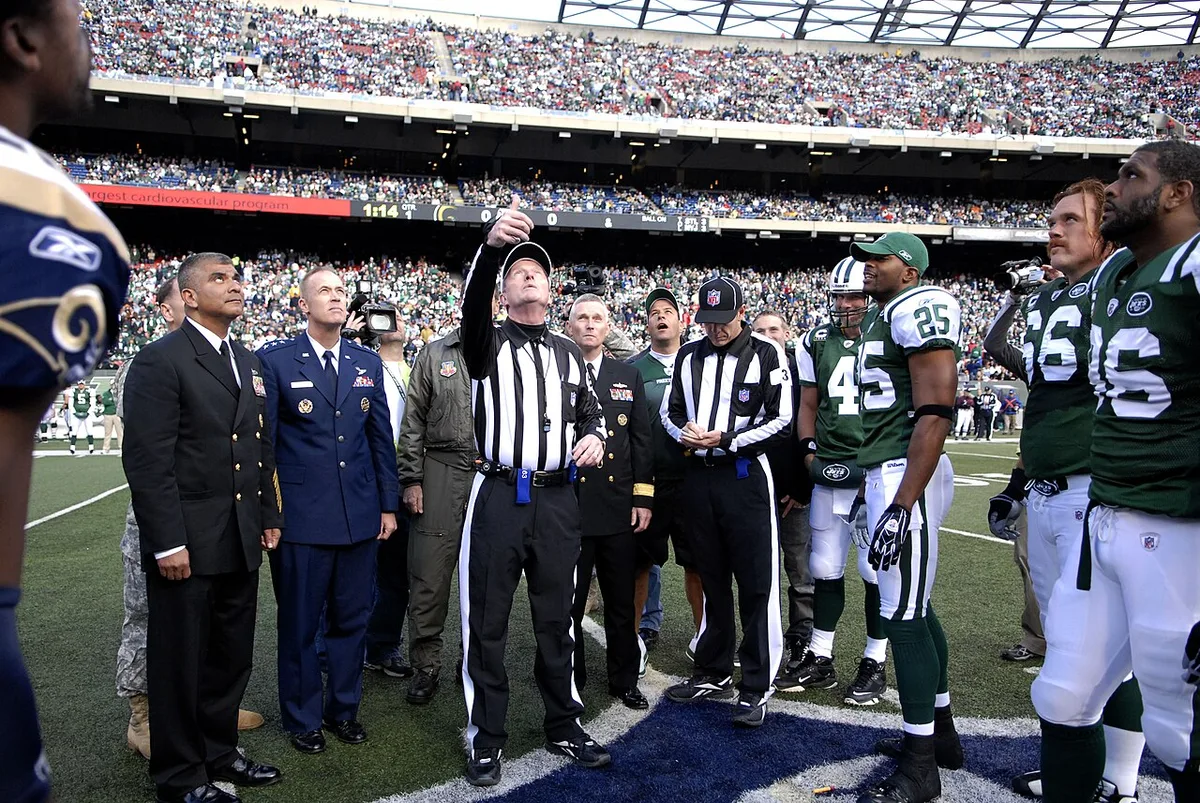
The modern identity of the coin toss took shape as organized sports spread globally in the 19th and 20th centuries. Leagues needed a neutral, universally understood way to determine who started with possession or who chose the field side. The coin flip became the natural choice.
In today’s sports world, the coin toss is a moment of ceremony and anticipation. In American football, referees hold the coin high before cameras. In soccer, team captains gather at midfield. In cricket, the toss can affect strategy as much as player skill. That brief moment in the air often shapes the early rhythm of a match.
| Sport | Purpose of the Toss |
|---|---|
| Soccer | Determines kickoff and field direction |
| American Football | Decides possession and second-half choice |
| Cricket | Determines whether a team bats or bowls first |
A Cultural Symbol Beyond Games and Rituals
Outside stadiums and legal chambers, the coin toss has become a recognizable symbol in storytelling. Writers often use it to reflect uncertainty or moral conflict, while filmmakers rely on its tension to dramatize decisions. The image of a coin spinning through the air is universal—everyone understands the stakes, even if the context changes.
Because the toss represents both choice and surrender, it has appeared in everything from classic novels to modern thrillers. People instinctively grasp the symbolism: letting fate decide.
From Metal to Digital: The Toss Enters the Modern World
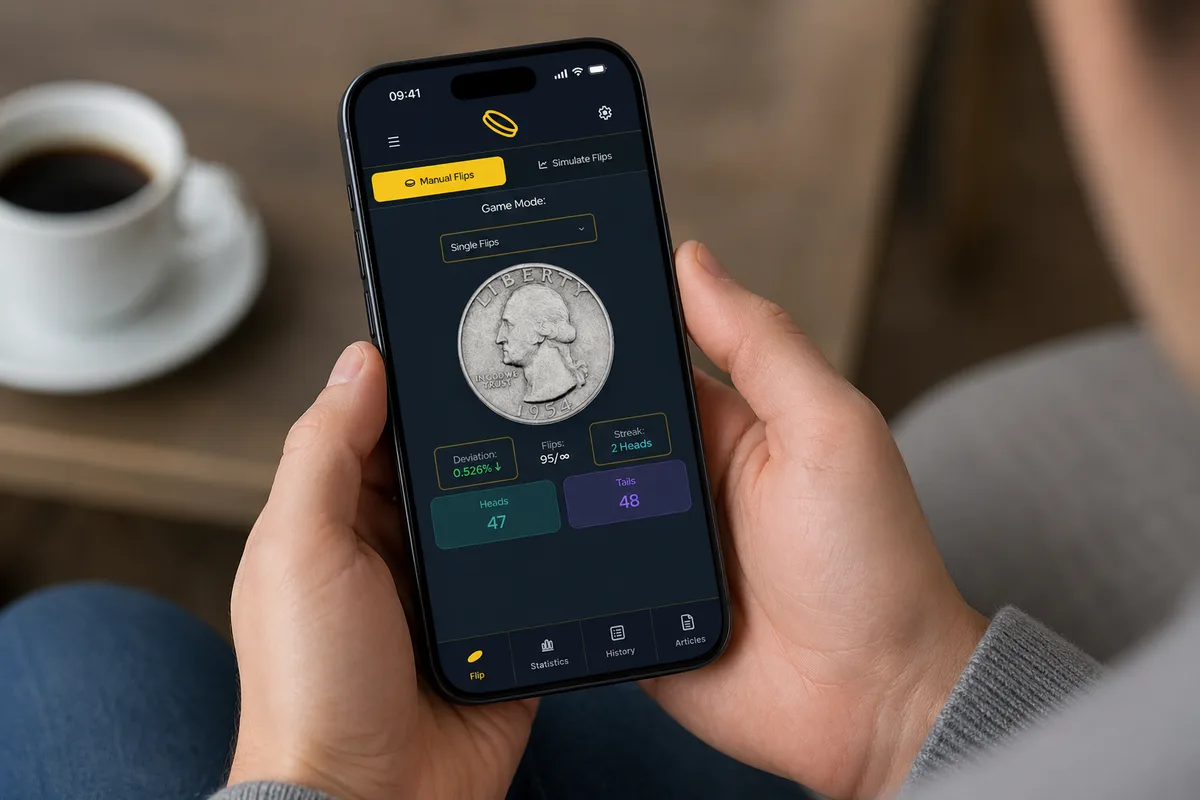
As technology evolved, the coin toss moved from pockets to screens. Digital tools now simulate randomness with algorithms, allowing people to flip a coin with a tap or voice command. It may lack the weight of metal, but the intent remains unchanged: a fast, impartial decision.
Digital flips offer unique advantages:
- No need for a physical coin
- Perfectly repeatable randomness
- Always available on phones, watches, and computers
Rather than replacing the traditional toss, digital tools preserve it for situations where a real coin isn’t accessible.
Why This Ancient Idea Still Works So Well
For thousands of years, humans have relied on chance to settle arguments, break ties, and avoid emotional bias. The coin toss works because it’s direct. It doesn’t require analysis or further debate. It brings closure in moments when people struggle to make or accept a decision.
Its universal nature also contributes to its longevity. The coin toss isn’t limited by language or culture. Anyone can participate. Anyone can understand it.
An Ancient Gesture Still Spinning Forward
From its beginnings as a sacred ritual to its place in modern digital life, the coin toss has adapted to every era while keeping its core purpose intact. Whether it’s deciding who kicks off a championship match or helping two people settle a trivial question, the coin flip persists as a small but enduring reminder that randomness has always played a role in human decision-making. Its journey is still unfolding, and as long as people value fairness and simplicity, it will continue to spin into the future.