
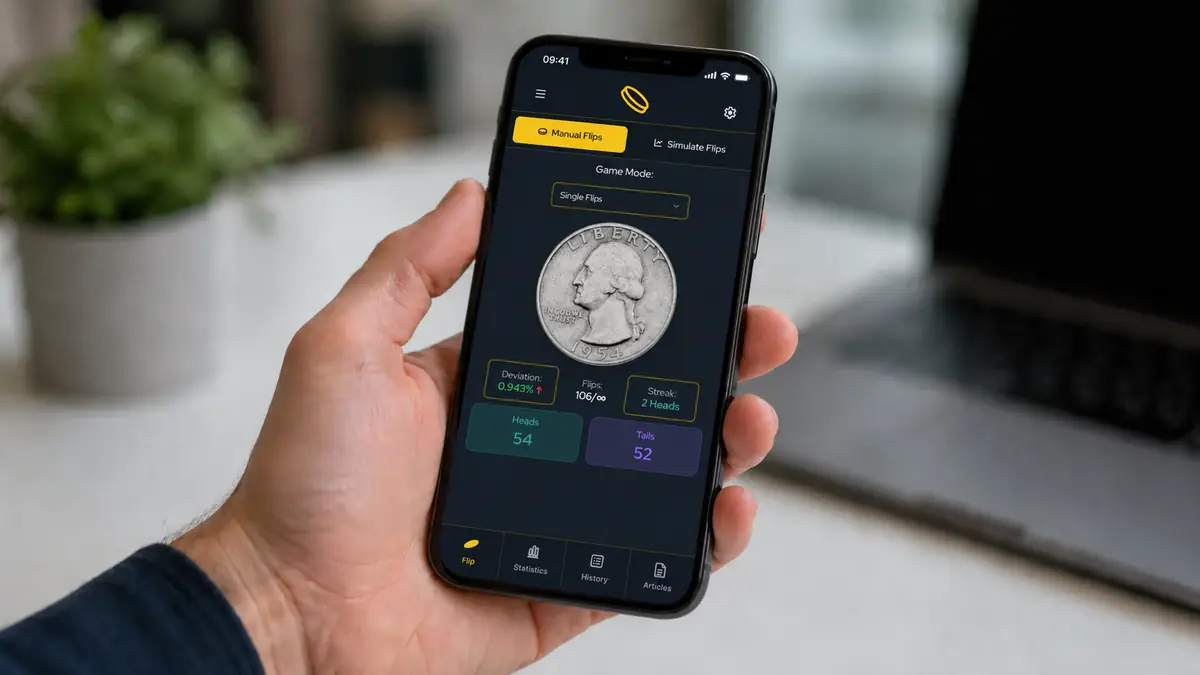
From Metal Coins to Mathematical Randomness
For centuries, the fairness of a coin toss depended on a simple shared assumption: the coin was real, the flip was honest, and no one had the thumb skills to cheat. But digital environments don’t have gravity or friction, and coins can’t tumble through a screen. Instead, software must simulate randomness using mathematics.
Early online coin flips relied on basic pseudo-random generators, which produced results quickly but not always unpredictably. They worked well enough for casual decisions, yet they lacked one important element: trust. Users had to believe that the result was unbiased, even though they could not inspect or verify the randomness behind the scenes.
As random number technology matured, developers began to implement methods that made digital coin flips not just convenient, but provably fair. Today, it’s possible to verify that a result wasn’t predetermined, manipulated, or influenced by the device running it.
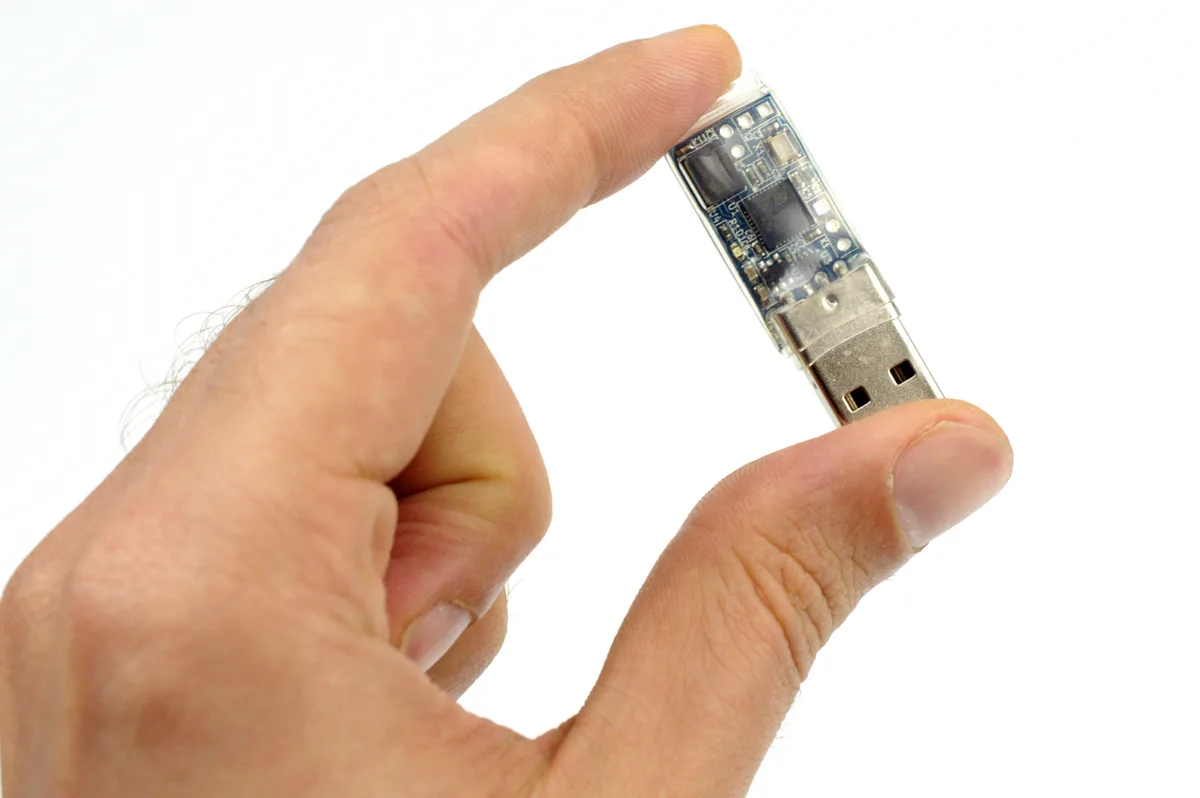
Photo by Gareth Halfacree (CC BY-SA 2.0) via Wikimedia Commons
Why Cryptographic RNG Changed Everything
Modern browsers now come with cryptographically secure random number generators built directly into the operating system. These RNGs pull from deeply unpredictable sources—timing variations, device signals, hardware entropy—and produce numbers that even the device itself cannot predict.
This new generation of randomness transformed digital coin flips from “good enough” tools to trustworthy decision-makers. The strength of cryptographic randomness lies in two core qualities:
- Unpredictability: No pattern, no repetition, no easy way for anyone to guess the next result.
- Resistance to manipulation: Neither websites nor apps can bias outcomes without being detected.
With these advancements, digital randomness became suitable for games, simulations, and decision tools used by people who want the fairness of a physical toss without needing a physical coin.
The Push Toward Transparency
Even with cryptographic RNG, one challenge remained: users still had to trust that the tool used the generator correctly. This led to the rise of provably fair randomness systems—mechanisms where the tool provides mathematical proof that no cheating occurred.
CoinFlipTool integrates this modern approach, offering two distinct fairness modes that address different user needs and device conditions.
Default Fair Mode: The Strength of Local Crypto Entropy
In this mode, CoinFlipTool relies on your device’s built-in cryptographically secure random number generator. Every flip is produced locally, instantly, and without sending or receiving randomness from external sources. This ensures:
- Fast results
- Strong unpredictability
- Reliable randomness even without an internet connection
Local crypto entropy is ideal for everyday use because the randomness originates inside the user’s own device, not from a server that could theoretically bias results. It’s simple, secure, and sufficient for most decisions.
Provably Fair Mode: Local Entropy + Public Randomness
For users who want full transparency—or who simply enjoy understanding how randomness is created—CoinFlipTool offers a more advanced fairness model. It combines:
- A local device seed, generated just for the flip
- A public randomness beacon from drand / Cloudflare
Before the flip, neither the app nor any outside party knows what the combined result will be. Afterward, CoinFlipTool provides all components used to compute the outcome, allowing anyone to independently verify the fairness.
This approach has several advantages:
- Verifiable after the fact
- Impossible to manipulate without detection
- Causes the result to be unpredictable even to the tool itself
If the public randomness beacon is unavailable, the system gracefully falls back to Default Fair Mode and clearly notifies the user. The goal is simple: transparency without complexity.
Why Digital Coin Tossing Is More Than Just Convenience
When people flip a physical coin, they rarely consider the physics behind it. Yet real coins can introduce subtle bias—uneven weight distribution, flipping technique, the coin’s age, or even the surface it lands on.
Digital systems remove those inconsistencies entirely. A software-based coin flip ensures:
- Perfect, consistent 50/50 odds
- No influence from the person flipping
- Identical behavior across devices or environments
For decision-making, fairness isn't just important—it’s the point.

Real-World Uses for Modern Digital Tossing
Digital coin flips aren’t just for fun. They’re used in:
- Online games and role-playing communities
- Randomized QA testing
- Classroom activities and team selection
- Lightweight dispute resolution
- Sports officiating in remote or virtual tournaments
- UX testing where random outcomes guide flow paths
Many organizations prefer digital randomness because it’s logged, consistent, and reproducible when needed.
A Future Where Fairness Is Verified, Not Assumed
Physical coins will always have charm, but digital tosses now offer something more powerful: proof. With cryptographic randomness and public entropy sources, fairness becomes mathematically guaranteed, not just expected.
CoinFlipTool builds on this philosophy by giving users two layers of trust—local cryptographic strength and optional public verifiability. Whether someone wants a quick flip or a flip backed by transparency, the technology ensures that decisions stay unbiased and secure.
And as randomness infrastructure continues to evolve, modern coin toss tools will only become more reliable, more auditable, and more deeply woven into how people make decisions online.